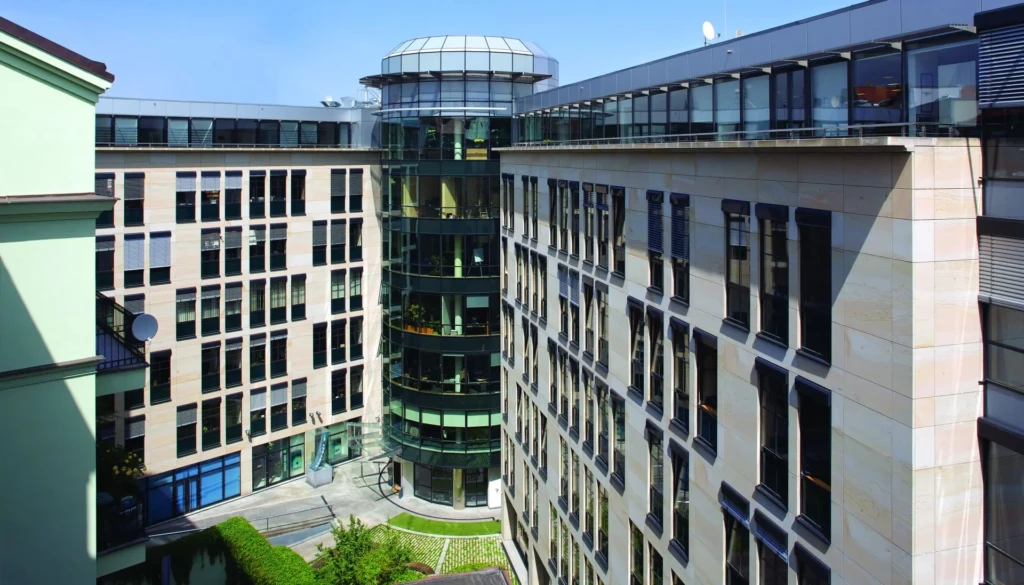
A resilient office is not defined only by its location or specification at completion. It is sustained by continuous attention to how people use it, how occupier expectations are changing, and where careful reinvestment can protect relevance.
Completion is the beginning
Once an office building is occupied, its real patterns become visible. Arrival peaks, shared areas, meeting behaviour, servicing, and the relationship between private workplaces and common amenities all provide information that can improve the asset.
Active stewardship turns that information into priorities. Some interventions are physical; others relate to operations, communication, or the tenant mix. The goal is not constant change, but timely change supported by a clear understanding of the building.
The most resilient offices are managed as living workplaces, not finished products.
Reading occupier expectations early
Companies increasingly evaluate the whole workplace experience. Connectivity, comfort, flexibility, efficient operation, and access to the city around the building all influence a location’s ability to attract and retain people.
Close occupier relationships help an owner distinguish temporary preferences from structural change. This makes capital expenditure more focused and gives leasing teams a stronger, evidence-based story about how the property will continue to serve its users.
Protecting architectural and commercial relevance
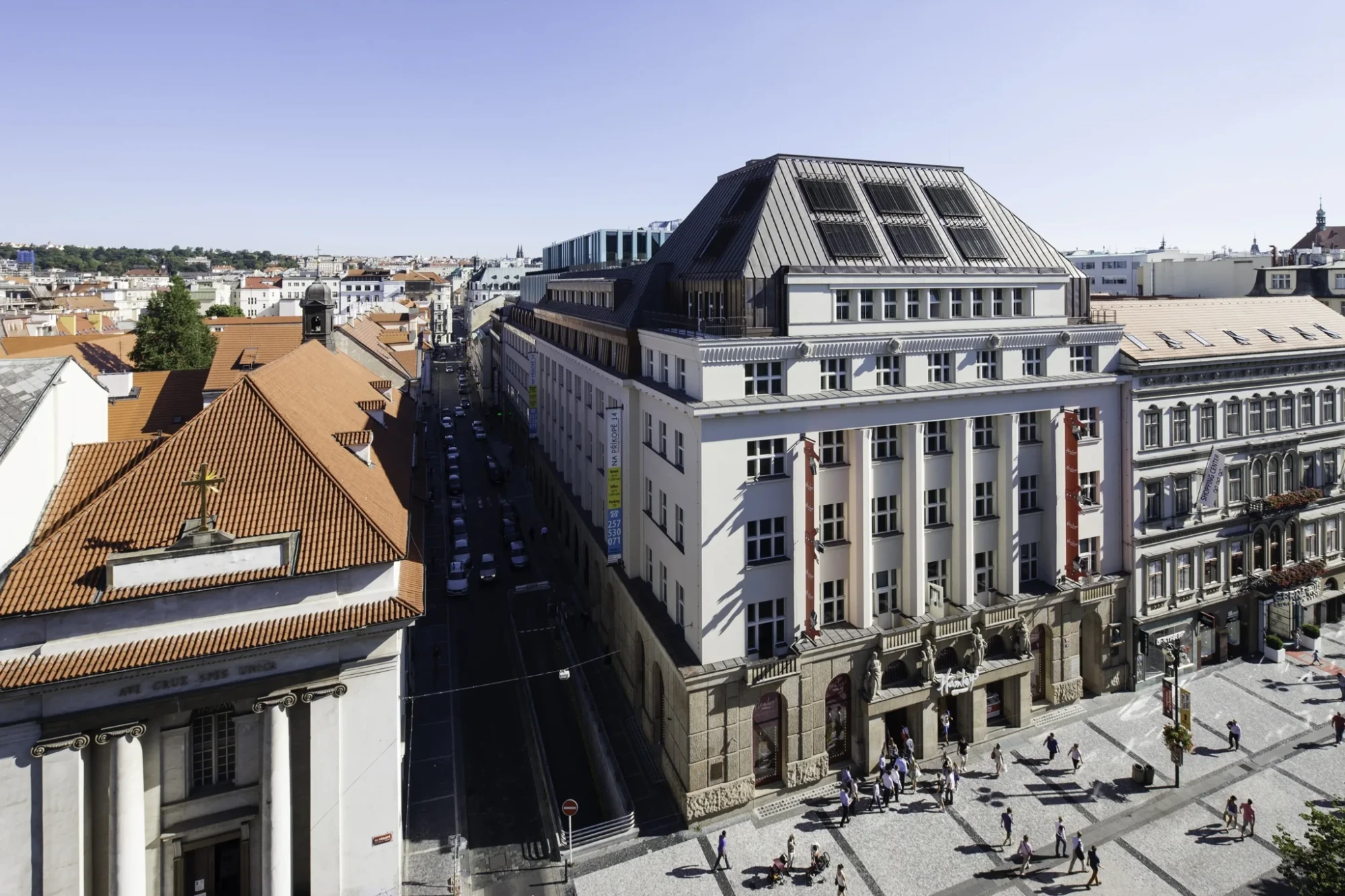
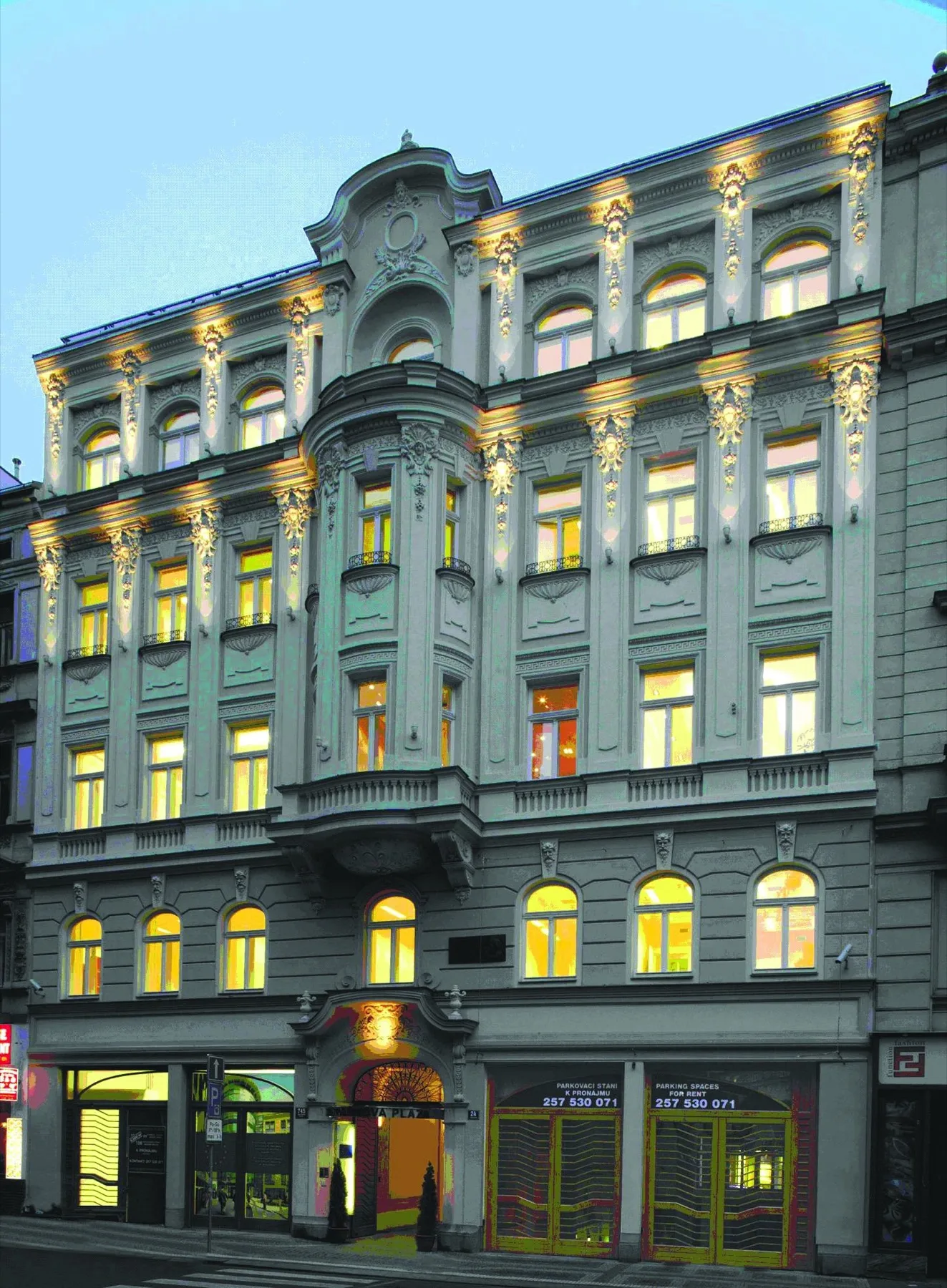
In established city locations, stewardship often means working with a strong existing identity. Jungmannova Plaza’s central setting and recognisable architecture are enduring advantages; management should reinforce them while ensuring that building systems and shared environments meet contemporary requirements.
Resilience comes from this balance: respect for what cannot be replicated, combined with a willingness to improve what can. It is the patient work of keeping an office useful, legible, and competitive over a long horizon.