An opportunity is more than a property offered to the market. It is a specific relationship between location, demand, physical potential, timing, and the team required to deliver a credible plan.
Location before scale
A strong address provides advantages that remain relevant across cycles: access, visibility, established movement, and connection to the wider city. Yet location is not a label. Analysis must reach street and district level to understand who will use the asset and why it belongs there.
This local reading helps distinguish durable demand from a broad market narrative. It also reveals the constraints—planning, access, neighbouring uses, or physical configuration—that will shape a realistic route forward.
A convincing opportunity has a clear user, a credible route through delivery, and a reason to remain relevant.
Demand must be specific
A compelling business plan identifies the people or organisations a property will serve. For offices, that means more than quoting vacancy; for residential, more than citing population growth; and for mixed use, more than assembling a list of functions.
The relevant question is whether the proposed space, price point, timing, and experience fit an identifiable need. Leasing and operational insight therefore enter the assessment early, alongside design and financial analysis.
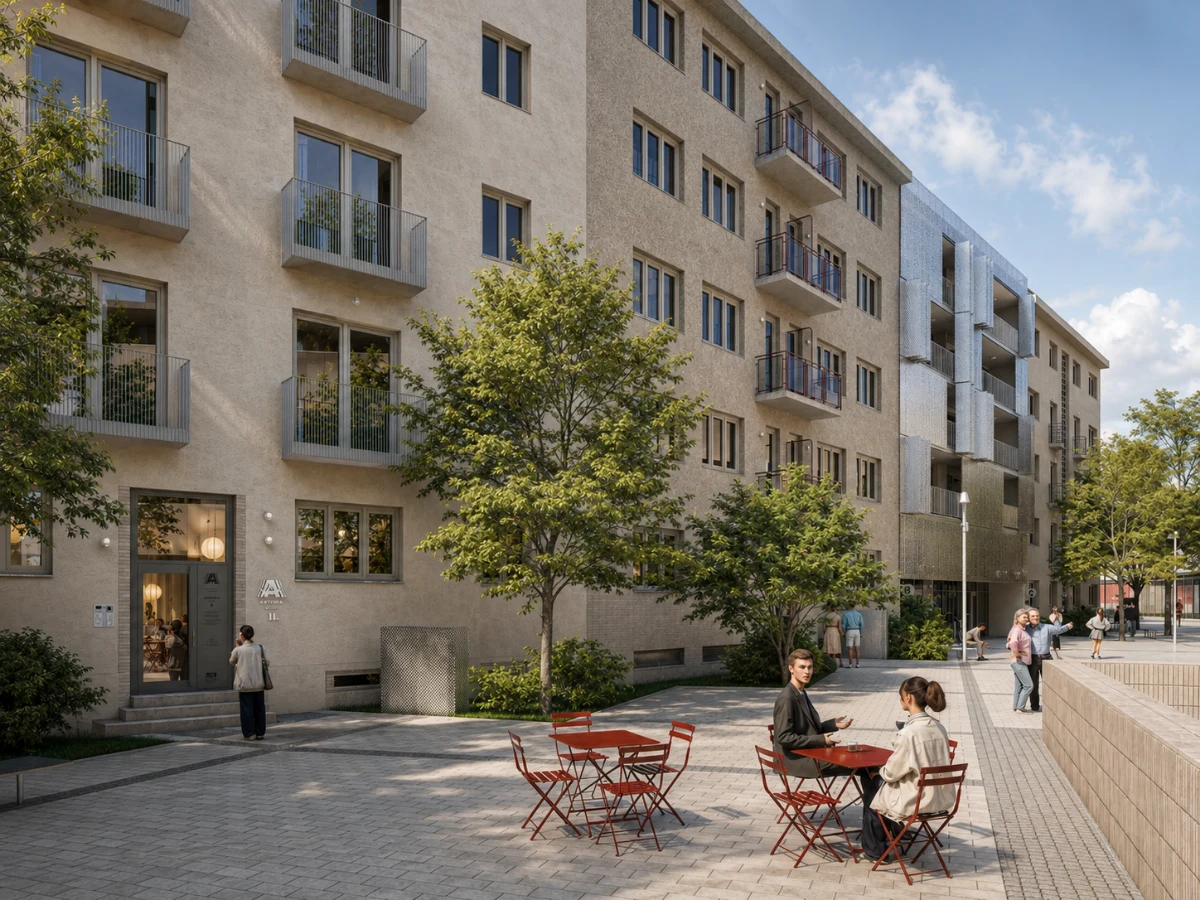
Multiple routes to value
Some assets require development, others repositioning, and others patient stewardship. A disciplined opportunity assessment compares these routes rather than forcing every property into the same strategy.
Lordship brings together local market knowledge and cross-disciplinary delivery experience when reviewing opportunities. The objective is selective growth: assets where a clear idea, responsible execution, and long-term usefulness can reinforce one another.