How a central Prague building was adapted into a 91-room hotel with a distinct urban identity.
The project in context
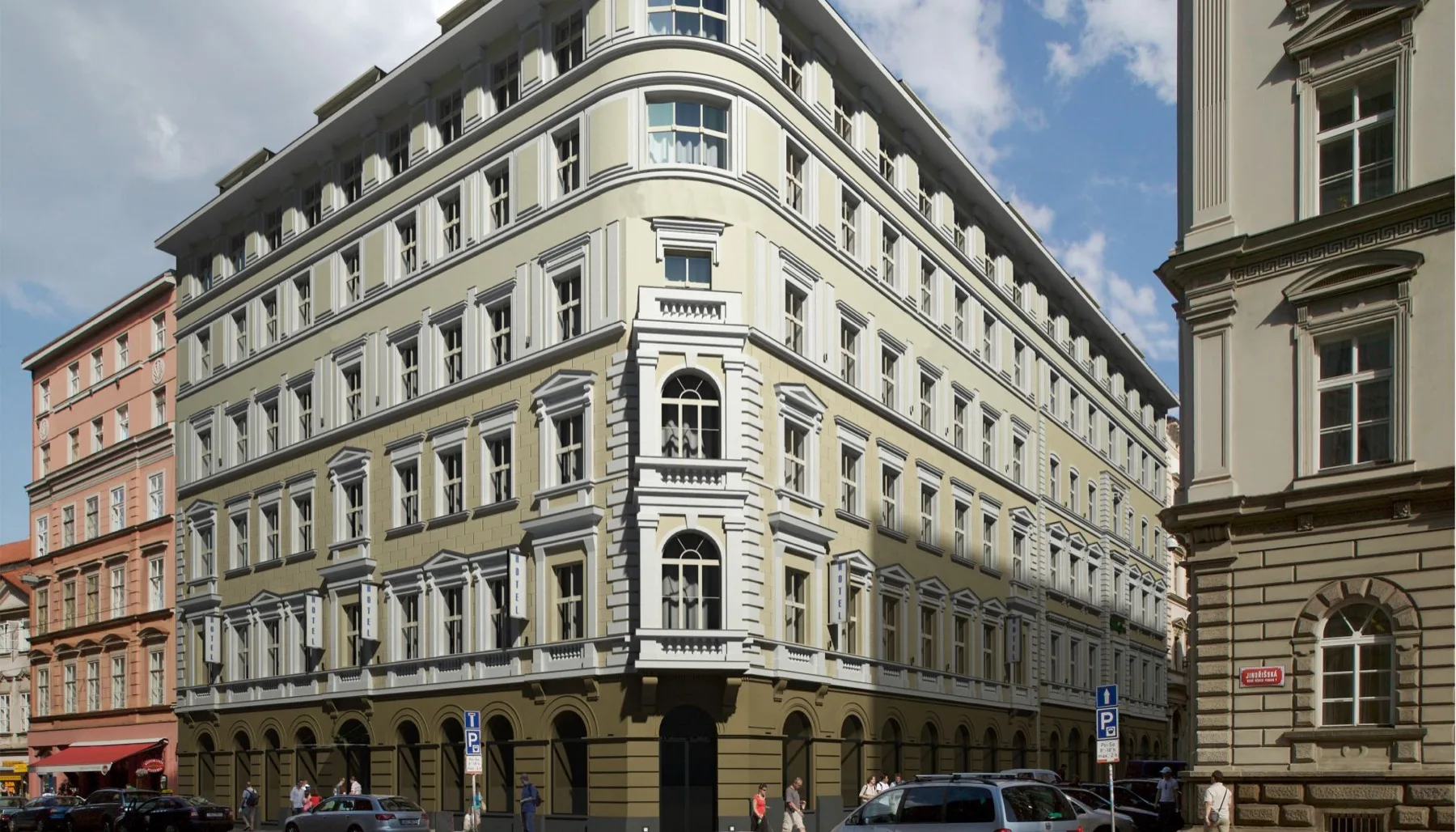
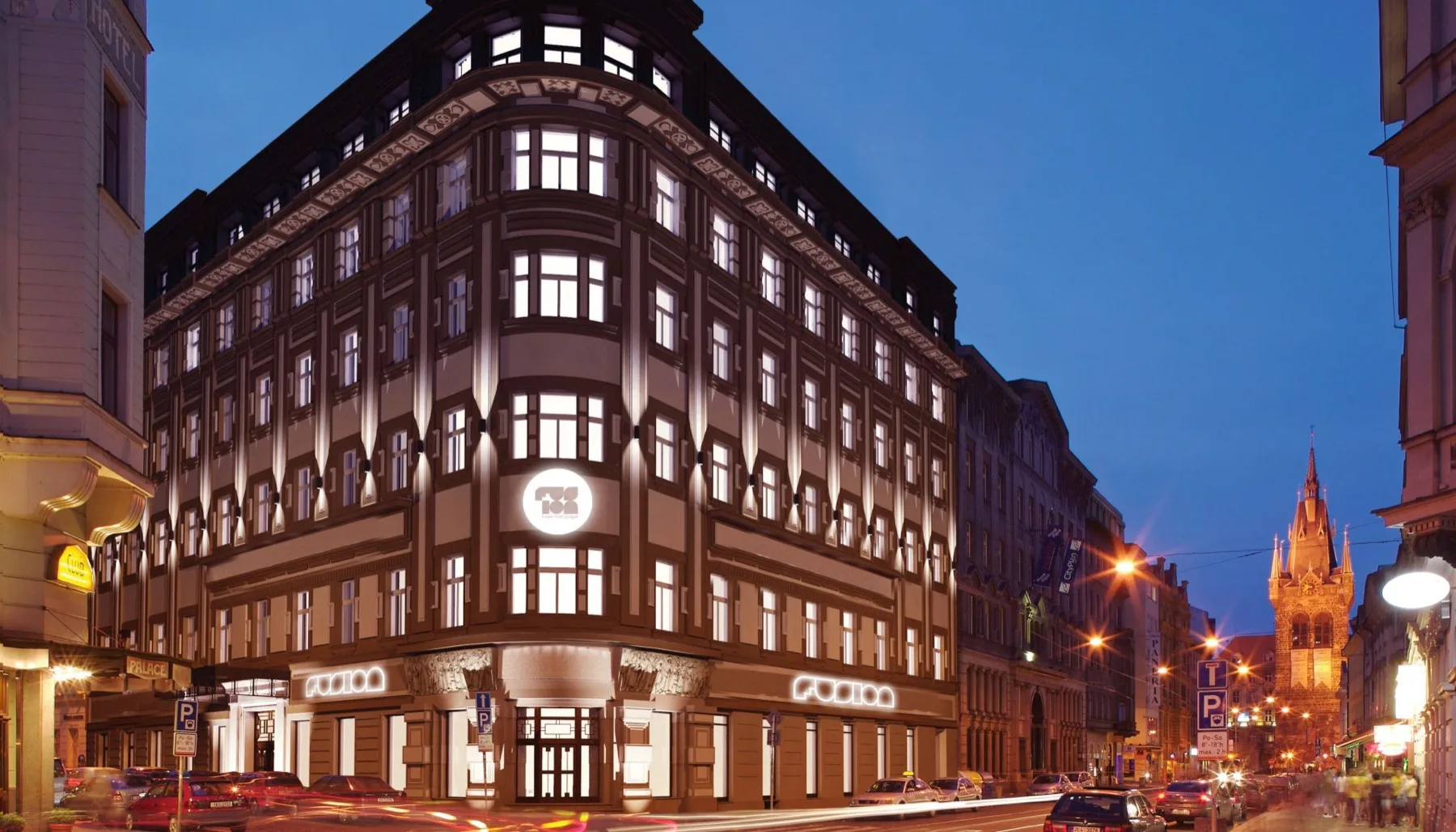
A 91-room hospitality project in Prague’s historic core, completed in 2012 within a carefully adapted central-city building.
A city hotel has to connect a memorable guest experience with efficient daily operation. Location and architectural identity matter, but so do circulation, servicing, room planning, and adaptability.
Urban hospitality begins with a memorable relationship between the building and its city.
Connecting experience with operation
The project uses the character and convenience of a historic-core address as part of the guest experience rather than treating the building as a neutral container.
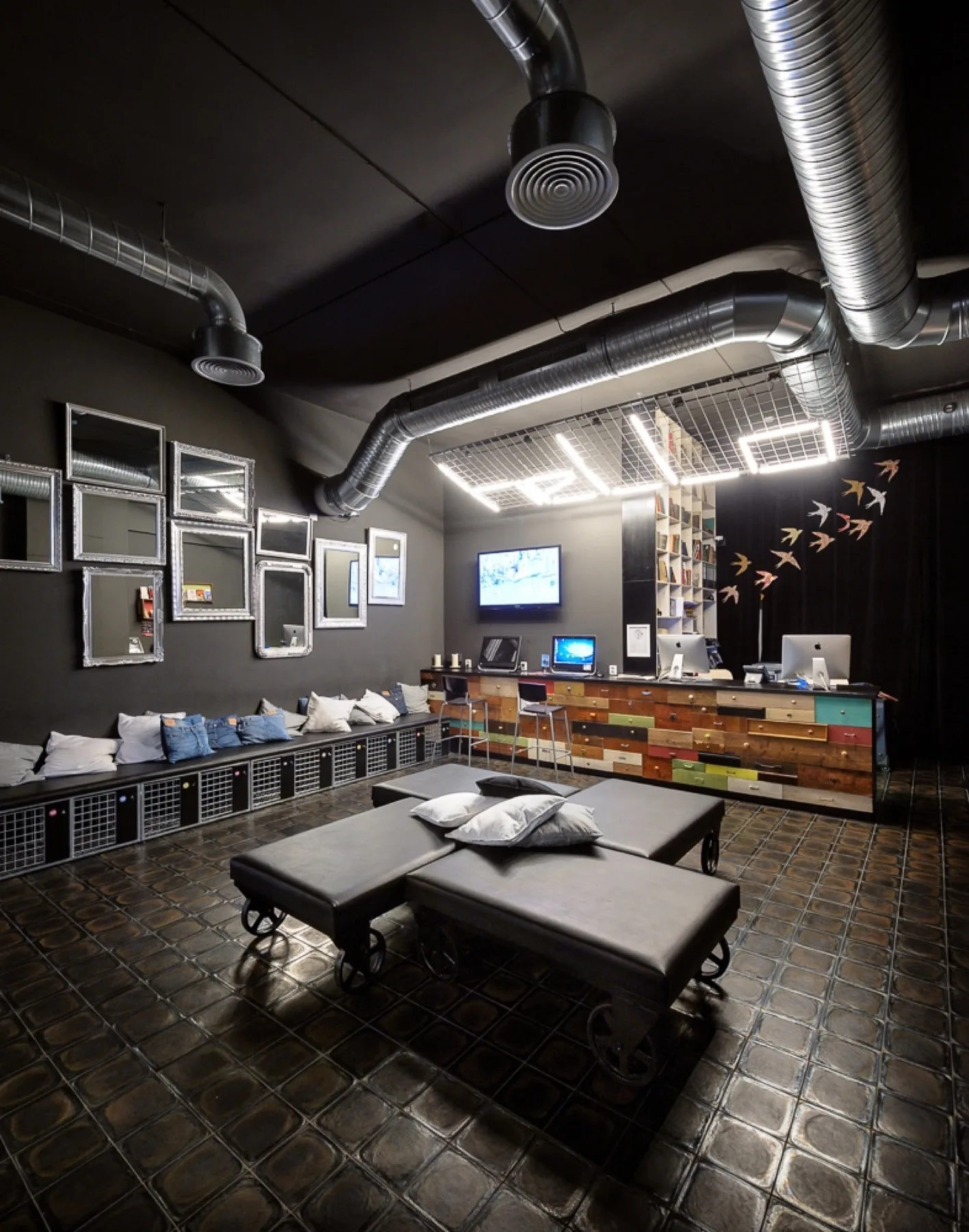
Hospitality planning brings public spaces, guest rooms, back-of-house functions, and the surrounding city into one sequence. Each part needs to support both the visitor and the operating team.
Keeping an urban hotel relevant
Guest expectations and travel patterns continue to change. A strong city-centre identity, practical planning, and spaces that can evolve give a hospitality asset a more durable place in its market.
For Fusion Hotel Prague, long-term relevance comes from protecting the project’s defining idea while allowing its spaces, operation, and relationship with Prague historic core to respond as needs evolve.