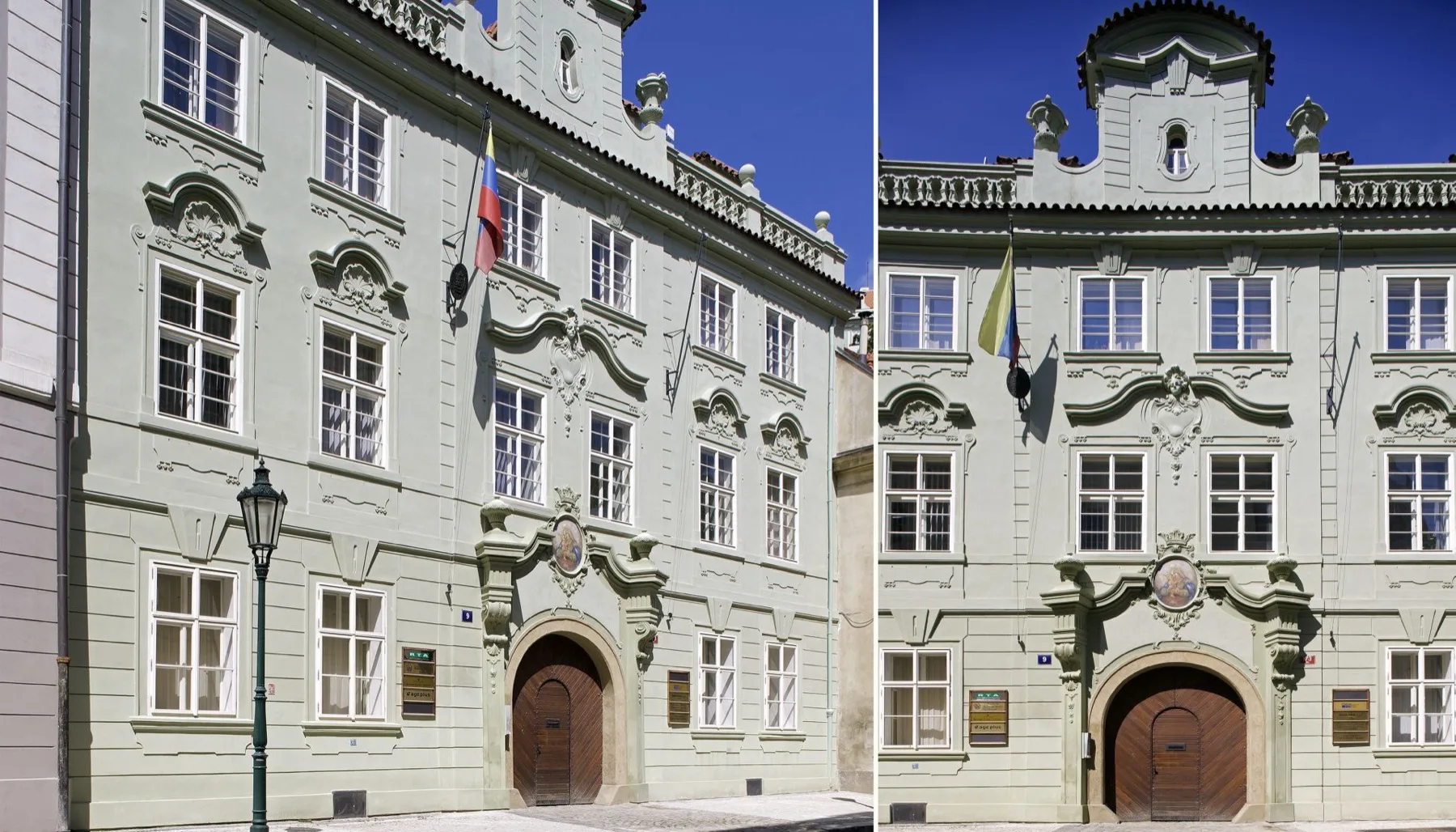
How restoration and carefully structured subletting gave a protected Prague building renewed commercial purpose.
The project in context
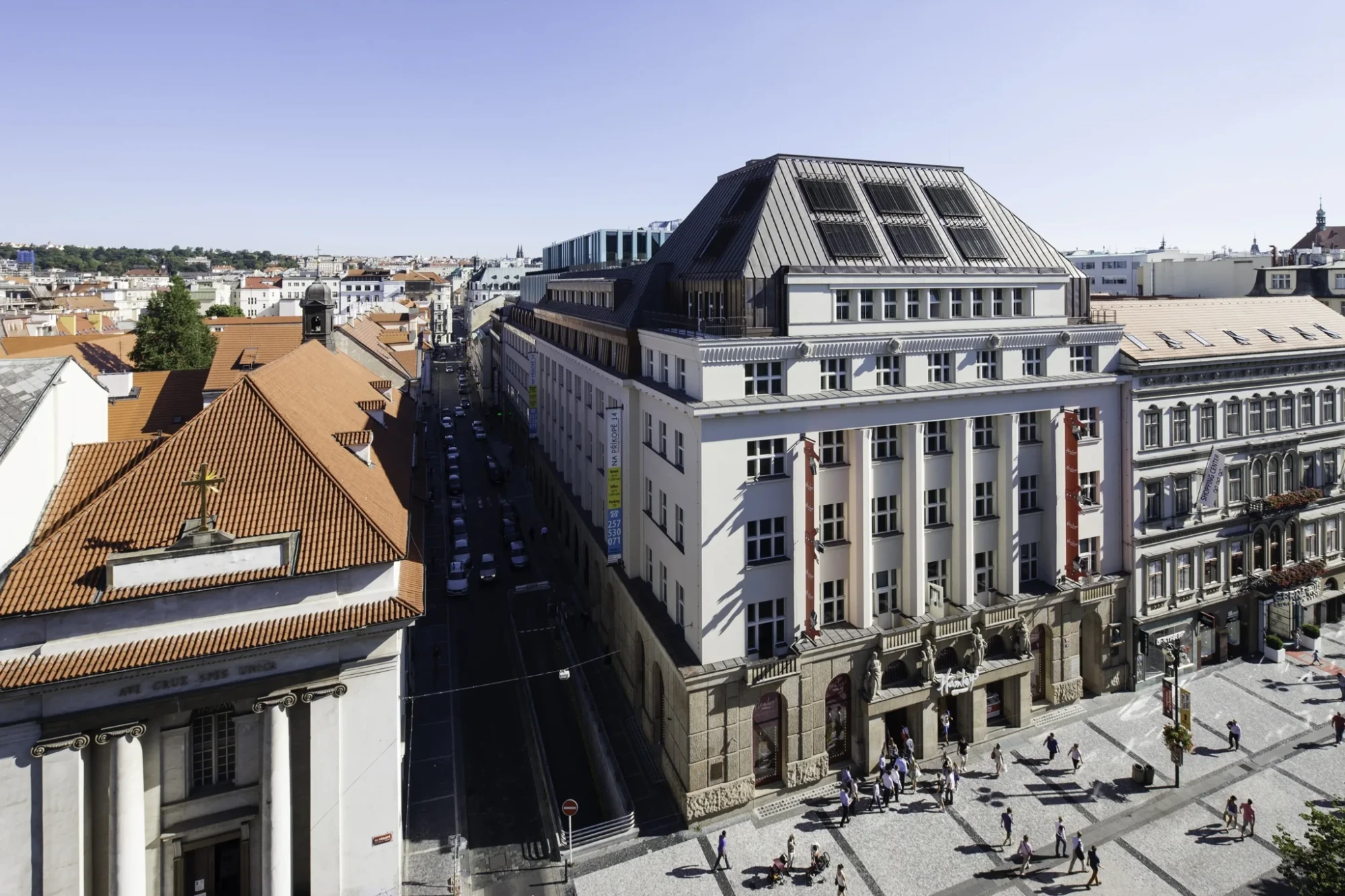
An early adaptive-reuse project that restored a protected building held under a headlease and created additional value through carefully structured subletting.
Real-estate performance is shaped by more than acquisition or construction. Leasing, operation, positioning, capital decisions, and timing all influence what an asset can become.
Adaptive reuse succeeds when physical renewal and commercial strategy move together.
Aligning the asset with a clear strategy
The headlease structure placed emphasis on disciplined refurbishment and leasing decisions that could improve both occupation and asset performance.
Active management starts with the enduring strengths of the property and focuses effort where it can have the greatest effect—whether through occupation, refurbishment, optionality, or a better fit with market demand.

Managing with the full cycle in view
Long-term discipline means balancing immediate performance with future flexibility. Decisions made during ownership should strengthen both the building’s daily relevance and the range of credible next steps.
For Sněmovní, long-term relevance comes from protecting the project’s defining idea while allowing its spaces, operation, and relationship with Prague historic core to respond as needs evolve.